
Traeger Pork Butt Recipe
Nothing can compete with that feeling you get when you unwrap a Traeger pulled pork which has been perfectly cooked on the Traeger grill.
First you get that hit of fragrance, it sends the tastebuds wild, then the satisfaction as you see the perfect caramelization of the smoked pork butt.
The look on everyone’s face when the pork falls apart effortlessly as you begin to pull it, sorting it onto a serving dish. Everyone quickly makes there way to the table ready to dive into this delicious dish.
It’s great in tacos, served with coleslaw in pulled pork sliders and perfect on it’s own accompanied by coleslaw, potato salad and some greens.
The best part, this Traeger Pork Butt recipe is so simple, and it delivers time after time, it is ironclad. Definitely a must have for all Traeger owners.

What Is Pulled Pork Butt?
Pulled pork butt, also known as pork shoulder or Boston butt, is a cut of pork that comes from the upper part of the pig’s shoulder. Despite its name, it is not actually the rear end of the pig, but rather a cut from the front shoulder.
Pulled pork butt is a popular meat for slow-cooking methods like smoking, braising, or roasting, as it has a lot of connective tissue and fat that break down over time to create a tender and juicy result. The name “pulled pork” comes from the process of shredding the meat apart with two forks or your hands once it has been cooked low and slow until it’s tender enough to pull apart.
Pulled pork butt is a versatile meat that can be used in a variety of dishes, including sandwiches, tacos, and salads. It’s often seasoned with a dry rub or a wet marinade before cooking to add flavor and tenderness to the meat.

Why Make Traeger Pulled Pork?
Traeger pulled pork is a popular method of cooking pulled pork because it uses wood-pellet grills, which allow for precise temperature control and infuse the brisket with a unique smoky flavor. The Traeger grill also allows for an even cooking of the pork while monitoring the internal temperature of the meat, which helps to ensure that it is cooked through and tender. The advantage of using a Traeger grill for pulled pork is that the Traeger grill can maintain a consistent temperature throughout the cooking process, which helps to prevent the pork from drying out or becoming overcooked. This makes Traeger Pulled Pork a very delicious and flavorful dish.
Other meats like beef and chicken are also delicious smoked! I highly recommend checking out my Traeger smoked brisket recipe, Traeger lemon pepper chicken recipe, and Traeger smoked orange chicken recipe for more inspiration!
How To Trim A Pork Butt For Smoking On A Pellet Grill
These days most pork butts that you buy from the shops or butcher will already be trimmed and ready for use. When selecting an already trimmed pork butt look for one with good marbling throughout the meat and about a quarter an inch of fat on top of the butt. If the pork butt hasn’t been prepped for cooking, simply trim off any excess fat from the pork butt, leaving no more than ¼ inch of fat.
What Wood Pellets Flavors Are Best For Pork Butt?
When it comes to Traeger wood pellet flavors for pork butt, there are several options that work well.
Hickory pellets are a classic choice that adds a bold, smoky flavor to the meat. Applewood pellets provide a slightly sweeter, fruity flavor that pairs well with pork. Mesquite pellets offer a stronger, more intense flavor that works well with larger cuts of meat like pork butt.
Other options include cherry pellets for a mild, fruity flavor, and maple pellets for a slightly sweet, subtle flavor that enhances the natural taste of the pork. Ultimately, the choice comes down to personal preference, but hickory and applewood are popular choices for a reason!

What Rubs Or Seasoning Should I Use On Traeger Pork Butt
There are many different rubs and seasonings that can be used on a pork butt when smoking it on a Traeger grill. Some popular options include:
- Classic BBQ rub: A mixture of spices such as salt, pepper, paprika, garlic powder, onion powder, and cumin.
- Texas-style rub: A blend of spices such as salt, pepper, cayenne pepper, and chili powder, which gives the brisket a bold, spicy flavor.
- Coffee dry rub: A mixture of ground coffee, cocoa powder, brown sugar, and spices such as paprika and cumin, which gives the brisket a rich, smoky flavor.
- Mustard rub: A mixture of dry mustard, brown sugar, and spices such as paprika and cumin, which gives the brisket a tangy, sweet flavor.
- Cajun rub: A blend of spices such as cayenne pepper, paprika, garlic powder, onion powder, and oregano, which gives the brisket a spicy, Creole flavor.
- Montreal steak seasoning: A blend of spices such as garlic powder, onion powder, paprika, and coriander, which gives the brisket a savory, hearty flavor.
Ultimately, the rub or seasoning you choose will depend on your personal taste preferences. Feel free to experiment with different combinations of spices to find the perfect flavor for your pulled pork. Personally I like a classic barbeque rub with a big hit of mustard rub and cayenne pepper, this combination adds a little punch to a traditional barbeque rub.

How To Serve Traeger Pork Butt
Traeger pork butt is a delicious and versatile dish that can be served in many different ways. Here are a few ideas for how to enjoy your mouthwatering Traeger pork butt:
- Sliced Pork Butt – Slice the pork butt into thin slices and serve it with your favorite barbecue sauce and sides, such as coleslaw, cornbread, or grilled vegetables.
- Pulled Pork Butt – Shred the pork butt and serve it on a soft bun or tortilla with your favorite barbecue sauce and toppings, such as pickles, onions, or cheese.
- Tacos – Serve the pulled pork butt in warm tortillas with avocado, salsa, lime, and cilantro for a tasty taco night.
- Sandwiches – Make a delicious pulled pork sandwich with the meat, coleslaw, and a drizzle of barbecue sauce on a soft bun.
- Burrito Bowl – Serve the pulled pork butt over rice, with black beans, avocado, salsa, and a squeeze of lime for a flavorful burrito bowl.
No matter how you choose to serve it, Traeger pork butt is sure to be a hit at your next meal. The juicy, smoky flavor of the meat pairs well with a variety of sides and toppings, making it a versatile and delicious dish.
Ingredients For Traeger Pulled Pork Butt Recipe
- Pork Butt, fat cap trimmed to ¼ inch
- Barbeque sauce
- Smoked pork or beef dry rub
How To Make Pulled Pork Butt On Traeger Grill
Make sure the Pork Butt is prepped as per the trimming instructions above.
Trim The Pork Butt
Trim off any excess fat from the pork butt.

Season The Pork Butt
Season the pork butt liberally with the spice mixture ensuring that it is well covered. Rest in the refrigerator overnight, or for at least 8 hours.
Pre-Heat Your Traeger Grill
When ready to cook, rest the pork butt until it is at room temperature (20 minutes). Ignite the Traeger and Preheat to 225°F with the lid closed for 15 minutes. For best results use the Super Smoke function if available.
Place Your Pork Butt Onto The Grill
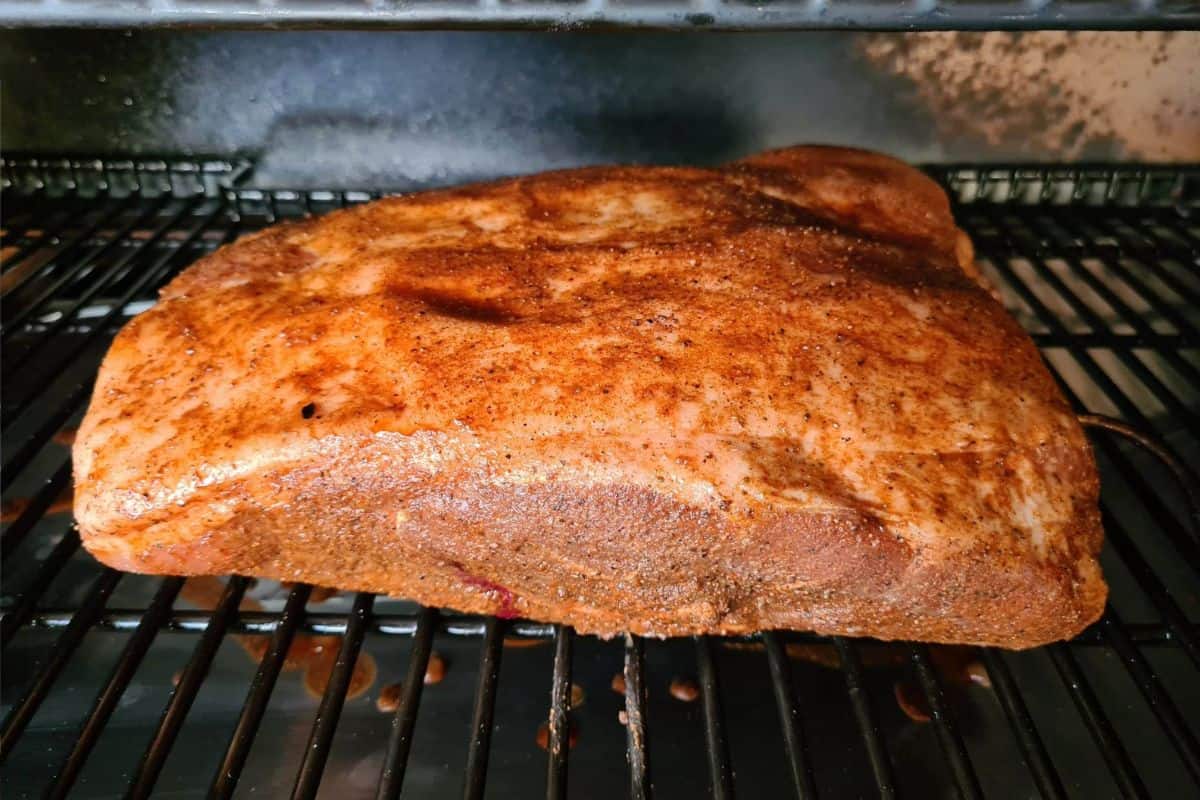
Once the Traeger has reached 225°F, place the pork butt, fat-side up, directly on the grill grates towards the middle of the smoker. Insert the temperature probe into the thickest part of the meat ensuring to avoid any fatty areas in the meat. Close the lid and smoke the brisket until the internal temperature reaches 160°F, about 4 hours.
Pro Tip: Use the super smoke function if your grill has it to add a nice smokey flavor to the outside of the meat.
Prepare Your Aluminum Foil Wrap
On a bench stack 4 large pieces of aluminum foil on top of each other, ensuring that they are wide enough to wrap the entire pork butt. If the foil is not wide enough overlap the foil pieces to create a wider base.
Wrap Your Pork Butt
When the internal temperature has reached 160°F, or after 4 hours, remove the pork butt from the smoker and place directly in the center of the foil. Fold three of the sides over tightly around the pork butt. This will leave one side open exposing the pork. Lift this side up and pour the apple juice on the pork butt. Wrap the foil tightly around the pork ensuring the juice does not leak out.
Pro Tip: Folding the 3 sides first creates a funnel for the juice minimizing any spillage.
Return The Wrapped Pork Butt To The Grill
Increase the Traeger temperature to 250°F, this will turn off super smoke. Place the foil-wrapped pork butt back onto the grill grates, again fat side up. Reinsert the probe and close the lid. Cook until the internal temperature reaches 204°F, about 4 hours more.
Rest The Smoked Pork Butt
Once the internal temperature reaches 204°F remove the pork butt from the grill and let rest for 1 hour, still tightly wrapped in the foil.

Pull Apart And Serve
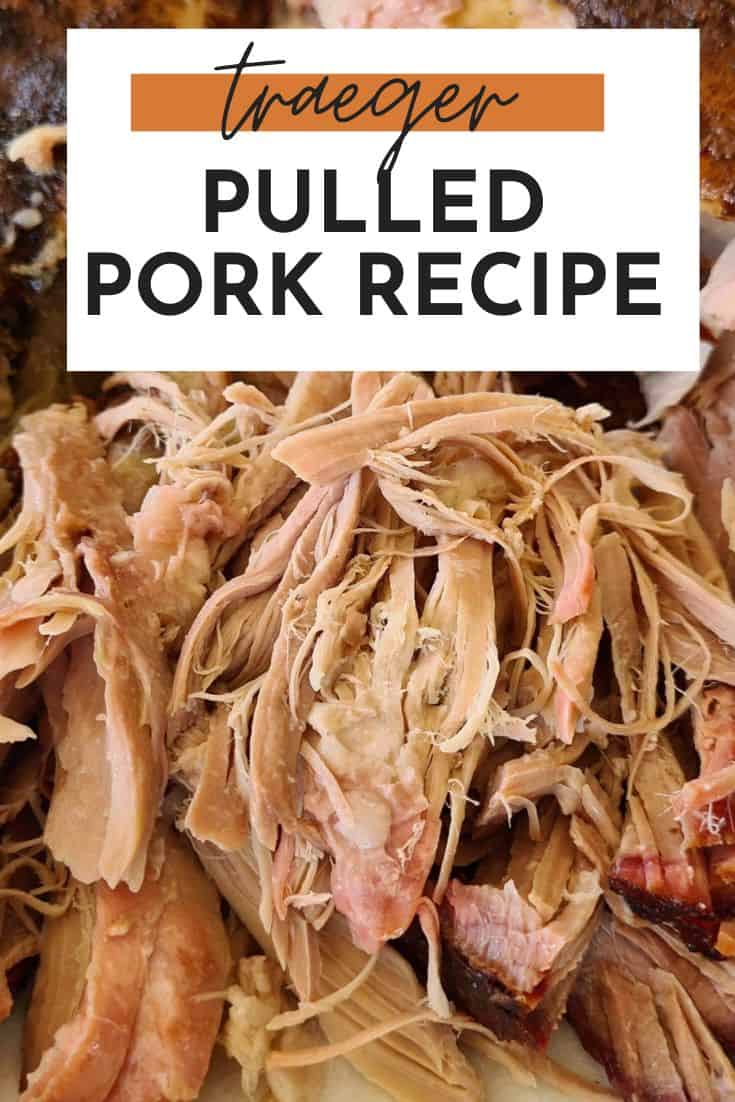
Unwrap the pork butt and pour any excess liquid remaining into a fat separator. Place it in a large dish. Shred the meet by pulling it apart and remove the bone and any excess fat. Pour the separated liquid over the pork and season with a more of the pork rub. Add in some barbeque sauce and mix to combine. I like to use my own barbeque sauce but there are many readily available nice smokey barbeque sauces on the market.
FAQs On Smoking Pulled Pork on a Traeger Smoker
Pork butt and pork shoulder are two different cuts of meat, but they are often used interchangeably in recipes. The pork shoulder is the top part of the front leg of the pig, while the pork butt is the upper part of the shoulder.
Both cuts are well-marbled and contain a lot of connective tissue, which makes them ideal for slow-cooking methods like smoking or braising. They also have a rich, juicy flavor that pairs well with a variety of seasonings and sauces.
In some regions, the term “pork shoulder” is used to refer to the entire shoulder section of the pig, which includes both the shoulder and the butt. In other regions, the term “pork butt” is used to refer to the entire shoulder section.
So, while pork butt and pork shoulder are not exactly the same cut of meat, they are similar enough that they can be used interchangeably in most recipes.
There are several reasons why a pork butt may turn out tough instead of tender when smoked, but the most common is that it is either undercooked or overcooked. Cooking a pork butt for too little or too much time can result in tough meat. Undercooked pork butt will be tough and chewy, while overcooked pork butt can become dry and stringy.
Whether to wrap a pork butt in aluminum foil or butcher paper during the smoking process is a matter of personal preference, but both methods can help create a tender and juicy final product.
Wrapping the pork butt in aluminum foil, also known as the “Texas Crutch,” can help speed up the cooking process and create a tender and moist meat. The foil helps to trap in heat and moisture, which can accelerate the breakdown of the connective tissues and make the meat more tender. However, wrapping in foil can also result in a softer bark or crust on the outside of the meat.
On the other hand, wrapping the pork butt in butcher paper can also help create a tender and flavorful meat, but with a firmer bark. Butcher paper allows some of the smoke to penetrate the meat while still retaining moisture, resulting in a deliciously smoky and juicy pork butt.
Ultimately, the decision to wrap the pork butt in aluminum foil or butcher paper is up to you and depends on your personal preference. I personally prefer the softer texture and quicker cooking time of foil, while others might prefer the firmer bark and slower cooking time of butcher paper. You can also experiment with both methods to see which one you prefer.
Smoking a pork butt is a low and slow process, meaning it requires a long cooking time at a low temperature. On average, it can take anywhere from 12 to 16 hours to smoke a pork butt, depending on the size of the cut and the cooking temperature.
As a general rule of thumb, you should plan on smoking the pork butt for around 1.5 to 2 hours per pound of meat at a temperature of around 225°F to 250°F. For example, an 8-pound pork butt would take approximately 12 to 16 hours to smoke at this temperature range.
However, it’s important to remember that smoking times can vary based on several factors, including the type of smoker used, the weather conditions, and the individual pork butt itself. The best way to ensure your pork butt is fully cooked and tender is to use a meat thermometer to check the internal temperature. The pork butt is ready when it reaches an internal temperature of 195°F to 205°F.
Overall, smoking a pork butt requires patience and attention to detail, but the end result is a tender, juicy, and flavorful meat that’s worth the wait.
More Great Smoker Recipes
Traeger Beer Can Chicken Recipe – my simple, no fuss method to produce perfectly moist, flavorsome chicken every time.
Smoked Herbed Chicken – You are going to love this smoked herb chicken! It is has the vibes of a traditional roast chicken, with the smokey flavor we all crave! Crispy golden skin, moist and tender meat, infused with an incredible earthy, herbed flavor. It is straight up delicious!
Smoked Coffee Rubbed Chicken Recipe – This recipe combines the rich, smoky flavor of smoked chicken with the unique taste of coffee.
Smoked Lemon Chicken – The perfect fusion of smoky flavors, along with a delightful lemon kick, makes it an ideal choice for any occasion, from weekend lunches to special celebrations.
Or if you’re looking for a great beef recipe, I highly recommend checking out my Traeger Smoked Brisket!

Traeger Pork Butt
Equipment
- 1 Smoker/BBQ Thermometer
- 1 Heat resistant silicone gloves
- 1 Butcher's paper or aluminum foil
- 1 Plastic wrap
Ingredients
- 12 lbs Pork Butt Fat cap trimmed to ¼ inch
- 1 cup Smoked pork or beef dry rub This is my own easy to make dry beef brisket rub recipe however you can substitute it for your preferred dry rub.
- 2 cups Barbeque sauce (500ml)
Instructions
- Trim off any excess fat from the pork butt. Leave a thin layer of fat (about 1/4 inch) to help keep the meat moist during cooking and enhance the flavor of the pork butt.
- Season the pork butt liberally with a Pork dry rub seasoning, or a seasoning of your choice, ensuring that it is well covered. Wrap the meat in plastic wrap and rest in the refrigerator overnight, or for at least 8 hours.
- When ready to cook, rest the pork butt until it is at room temperature (20 minutes). Ignite the Traeger and Preheat to 225°F with the lid closed for 15 minutes. For best results use the Super Smoke function if available.
- Once the Traeger has reached 225°F, place the pork butt, fat-side up, directly on the grill grates towards the middle of the smoker. Insert the temperature probe into the thickest part of the meat ensuring to avoid any fatty areas in the meat. Close the lid and smoke the brisket until the internal temperature reaches 160°F, about 4hours.
- Once the brisket has reached 160°F remove the brisket from the grill and wrap it in heavy duty aluminum foil (or butcher’s paper). Ensure the brisket is well wrapped. Increase the Traeger temperature to 275°F (this will turn off super smoke as it is not required when the meat is wrapped).
- On a bench stack 4 large pieces of aluminum foil on top of each other, ensuring that they are wide enough to wrap the entire pork butt. If the foil is not wide enough overlap the foil pieces to create a wider base.
- When the internal temperature has reached 160°F, or after 4 hours, remove the pork butt from the smoker and place directly in the center of the foil. Fold three of the sides over tightly around the pork butt. This will leave one side open exposing the pork. Lift this side up and pour the apple juice on the pork butt. Wrap the foil tightly around the pork ensuring the juice does not leak out.
- Increase the Traeger temperature to 250°F, this will turn off super smoke. Place the foil-wrapped pork butt back onto the grill grates, again fat side up. Reinsert the probe and close the lid. Cook until the internal temperature reaches 204°F, about 4 hours more.
- Once the internal temperature reaches 204°F remove the pork butt from the grill and let rest for 1 hour, still tightly wrapped in the foil.
- Once the internal temperature reaches 204°F remove the pork butt from the grill and let rest for 1 hour, still tightly wrapped in the foil.
- Unwrap the pork butt and pour any excess liquid remaining into a fat separator. Place it in a large dish. Shred the meet by pulling it apart and remove the bone and any excess fat. Pour the separated liquid over the pork and season with a more of the pork rub. Add in some barbeque sauce and mix to combine.